Full body measurements how to with my measurements
Disclaimer; this page does include an affiliate link to a product I’ve tested, I do earn commission on each purchase made through my link.
🍄How to measure 🍄
🍄My measurements🍄
- top of bust 32.5 inches
- largest part of bust 28 inches
- inside arm seam 19 inches
- top of shoulder 21 inches
- across the chest 14 inches
- largest part of arm 11 inches
- waist 29.5 inches
- Top of hip 36 inches
- largest part of hip 38.5 inches
- smallest part of hip 37.5
- outside pant seam 31 inches
- Pants inseam 26 inches
More tips!
TIP 1. use a soft measuring tape made for fabric to get an accurate measurement.
TIP 2. Measure with minimal or light layers to get the most accurate measurement.
Please refer to this page for my measurements to adjust accordingly to your measurements before starting, to get the most accurate fitting!
Be sure to save your measurements to add or decrease stitches as needed. In every pattern I design and make. Every stitch is counted for an accurate fitting by inches as well as what size yarn or hook size.
Happy crocheting!
Picking the right type of yarn for your future projects
when looking for a sweater or sweaters to pull apart. Here are some things to look for. It’s important to note when looking at the inside seams to make sure the sweater can be pulled apart in a continuous thread\yarn. If the seams are serge inside the sweater/item it will come apart in many strands of yarn making it difficult to pull apart. It will result into you trying to keep tying the yarn together. Strand after yarn strand and will take a really long time to pull apart the sweater. Not to worry, I will show you a few samples of what to look for when shopping at second hand stores!
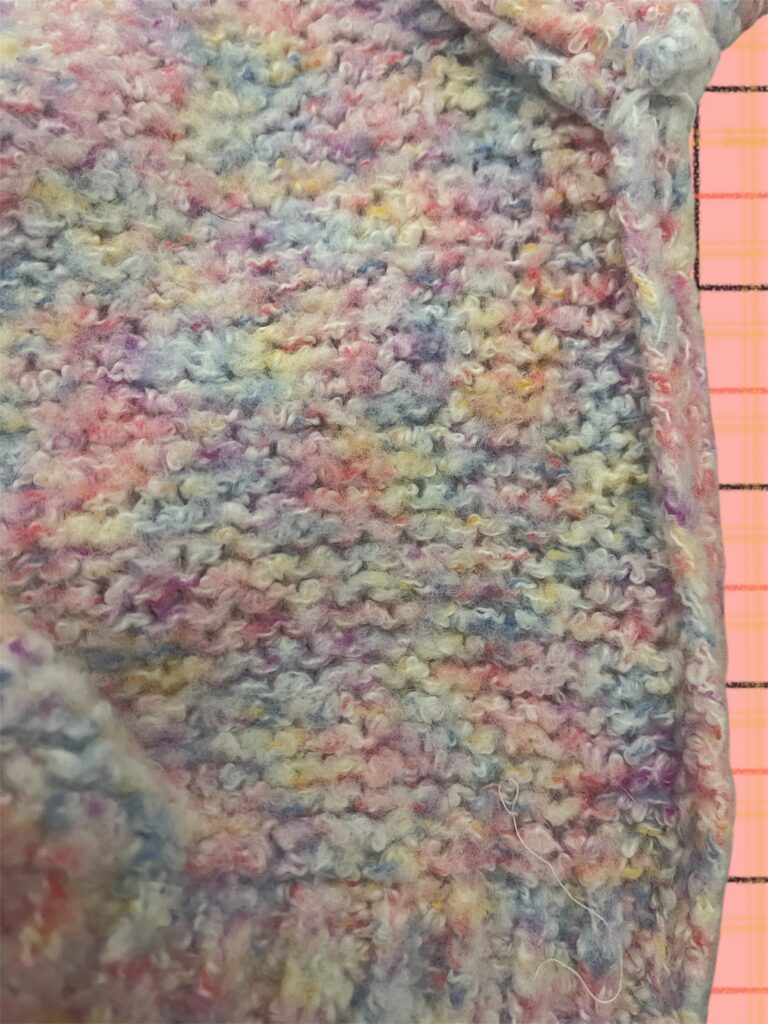
This sample is the type of seam to look for. You can see the raw edge of the sweater and if you look closely you can see a continuous chain stitch going a long the seam. Pull the chain stitch right and you can disassemble the sweater/item in seconds!
watch in real time!
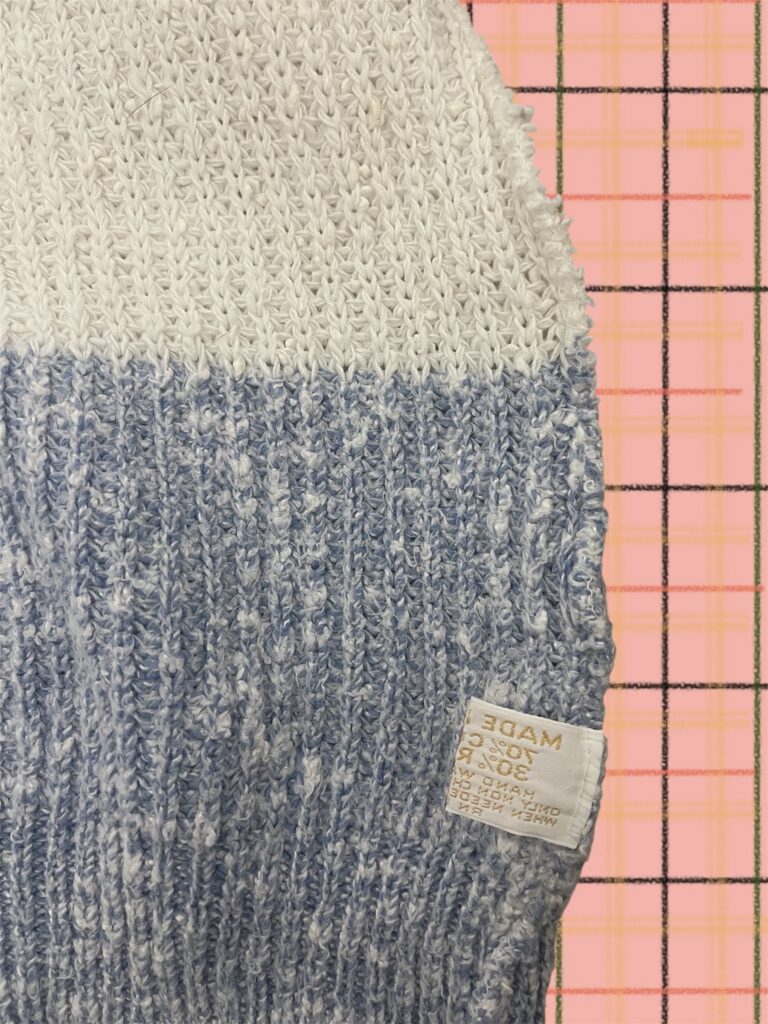
here is an example of something that can’t be taken apart. If you look closely it is serged.
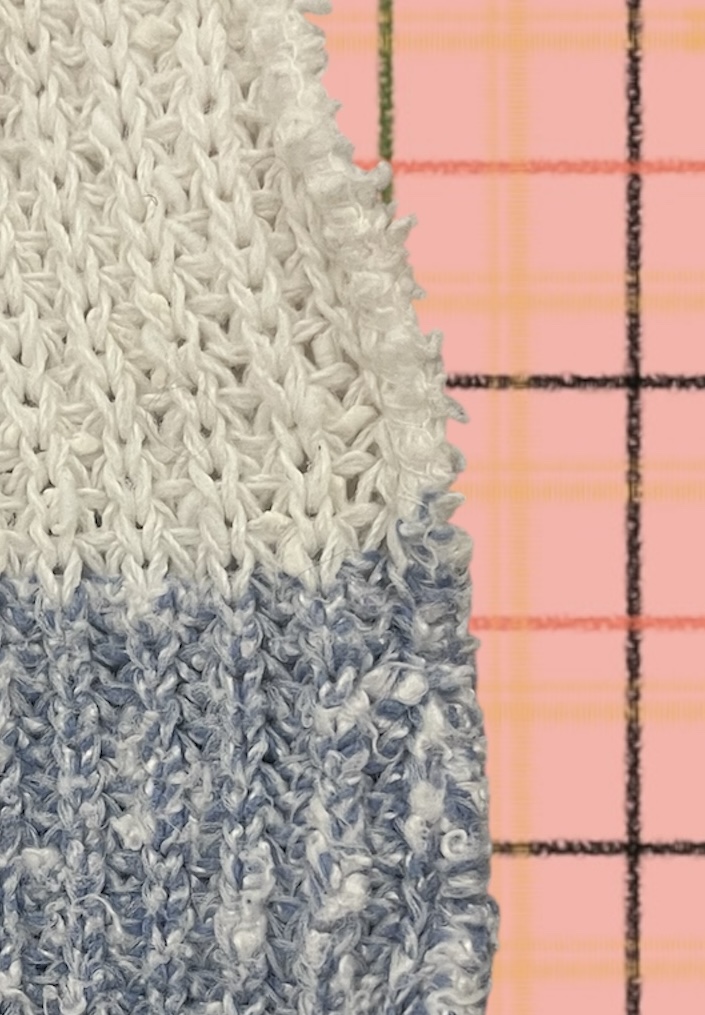
pay attention to how the pearl and or knit side looks!
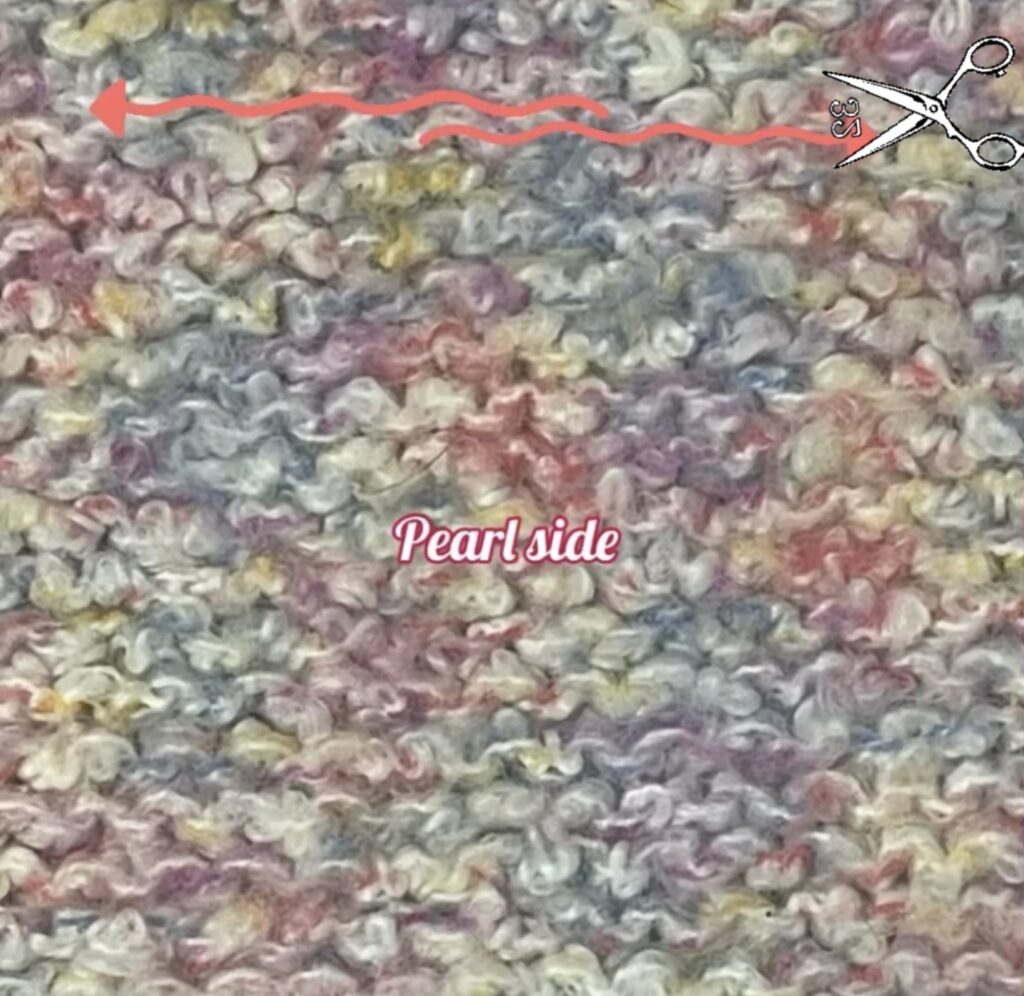
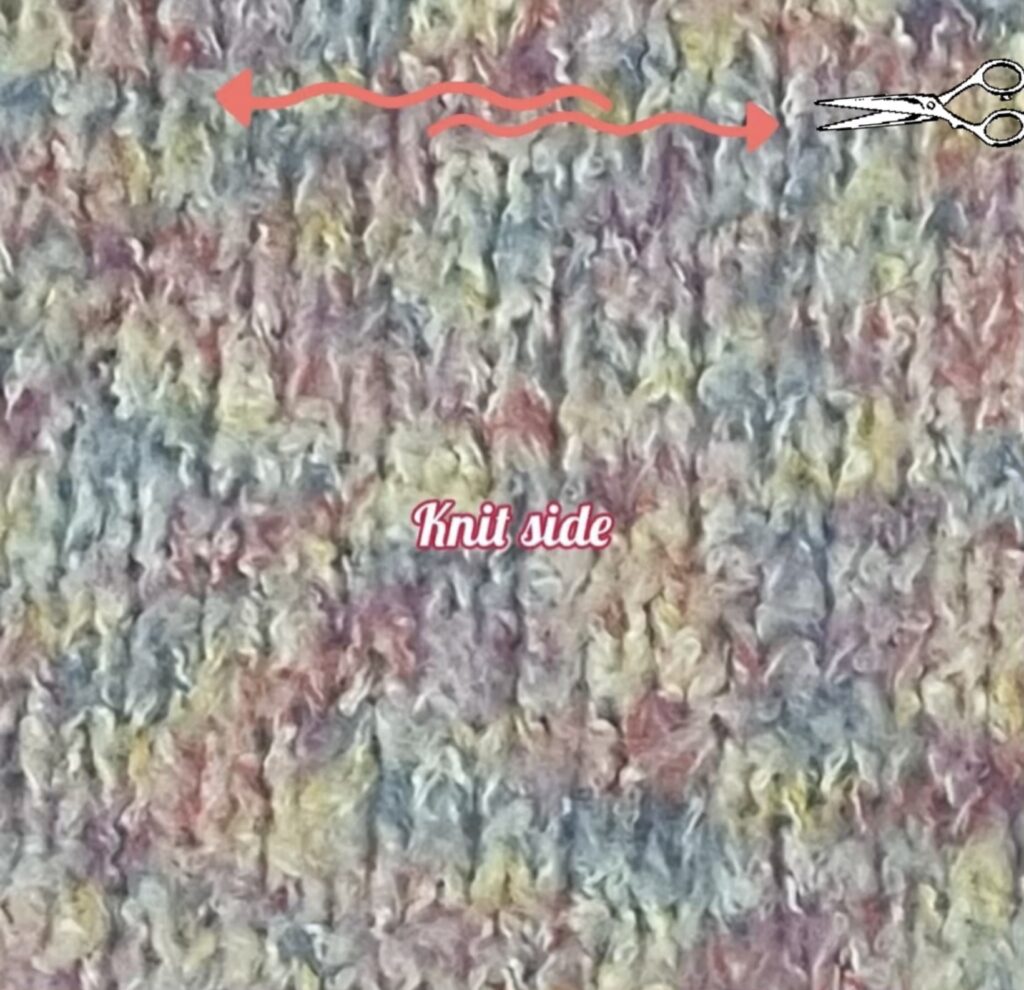
Top of both knit and pearl will pull apart in the direction of cutting. Sometimes it’s not always necessary to cut the top of the knit/pearl.
A couple things to note sometimes the knit can have double sides making it more difficult to pull apart.
Depending on the type of sweater it might be necessary to use two winders or one winder plus rolling a ball/skien at the same time.
Winder tips and type of winder needed
.
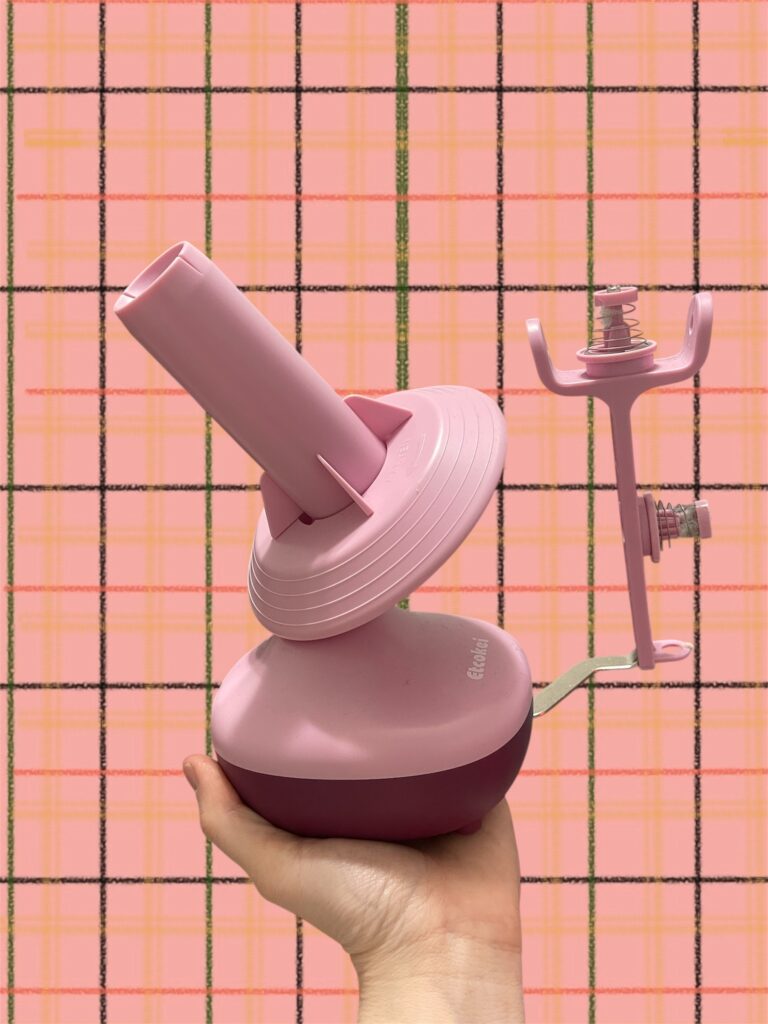
My favorite type of yarn winder is usb electric. I like to keep the tension tightly when I wind. The winder can take up to a worst 6 yarn in between the threaded slots and up to a 10 without threading it through the slots.
A tight skein/ball keeps the yarn from unraveling and helps it store better. For more difficult fibers it’s best to keep the yarn small. For more normal easier texture fibers you can keep the yarn larger.
small worsted yarn is harder to do but it can be done. Depending on how messy or loose the skein looks I like to rewind it again to keep everything neat.
Tie loose yarn threads with a magic loop technique that helps keep minimal yarn bulk.
The bottom of the page is the variety of types of fibers that I’ve done, I rated them on different scales on how easy they are to unravel. Refer back to this page when searching for yarn.
link to my yarn winder https://amzn.to/4sDsVL3
Yarn winder
Best way to tie a knot
Yarn samples that I’ve done from unwinded thrifted sweaters. That I rated on different scales from one to ten based on how easy it is to unwind. Some of the sweaters have two strands of different yarns which can be difficult depending on how rough or smooth the fibers are. I’ve had experiences where the fiber type breaks or has a lot of slack and that’s when I do recommend two or more yarn winders to process sweaters faster. In this sample video has a variety of cotton/acrylic blends as well as polyester blends. The more synthetic fibers wash with a lot of wear, can result the fibers turning out rough and might need some work or refreshing in fabric softener. I try not to turn down fibers as I’m really committed to saving sweaters from the landfills. I have more sweaters, yarn stash and thrifted yarn collected as well as second hand vintage yarn. I like to splurge on new yarn once in a while but with my infinite supply from the thrift store, I’ve been going to big box craft stores less and less since this new journey. My goal is for people to come together as a community whether you buy from small businesses that make hand dyed yarn or buy from big box stores, I want to bring people together.